Our work
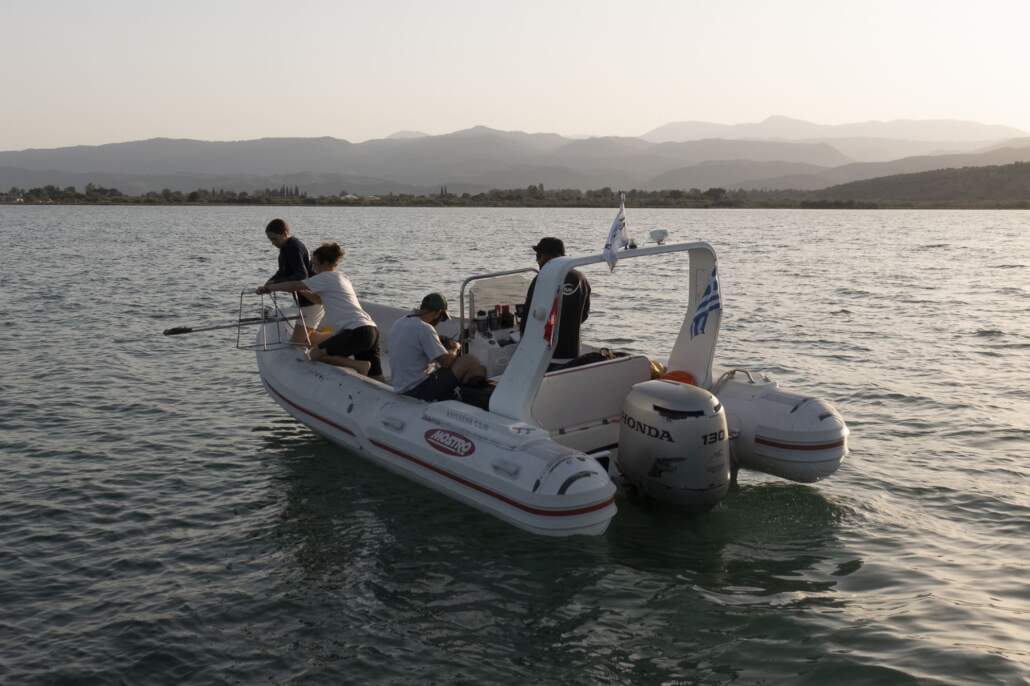
Our research aims to emphasize the importance of the Amvrakikos Gulf as a critical habitat for sharks and rays, shedding light on their behavior, their population health, and the challenges they face. This is not just about science—it is about making a tangible difference. Through your efforts, you’ll help us raise awareness of the National park’s ecological value, driving meaningful actions to protect and preserve one of Greece’s most extraordinary natural wonders.
Whether you are passionate about marine life, eager to support environmental sustainability, or simply looking to be part of an inspiring cause, this is your chance to make a lasting impact.
Amvrakikos Wetlands National Park
Amvrakikos Wetlands National Park stands as one of Greece’s most important ecosystems, renowned nationally and internationally for its extraordinary biodiversity and ecological value. Home to over 295 bird species, including migratory and rare species, as well as the highest density of bottlenose dolphins in the Mediterranean, a vast amount of sea turtles, and unique aquatic birds, including the second largest colony of Dalmatian pelican in Greece, the park offers a glimpse into a rich and vibrant natural world. Its priority habitats—spanning lagoons, river estuaries, riparian forests, and the unique semi-enclosed bay—are a testament to its unparalleled diversity.
The bay’s natural wealth has supported human activities since ancient times, from the grandeur of Nicopolis to today’s agriculture, aquaculture, and tourism. However, these activities also pose significant pressure on its resources. Balancing sustainable development with the conservation of this extraordinary ecosystem and the resilience of its coastal community that highly depends on the Amvrakikos Gulf is a critical challenge.
Sharks and Rays in Amvrakikos
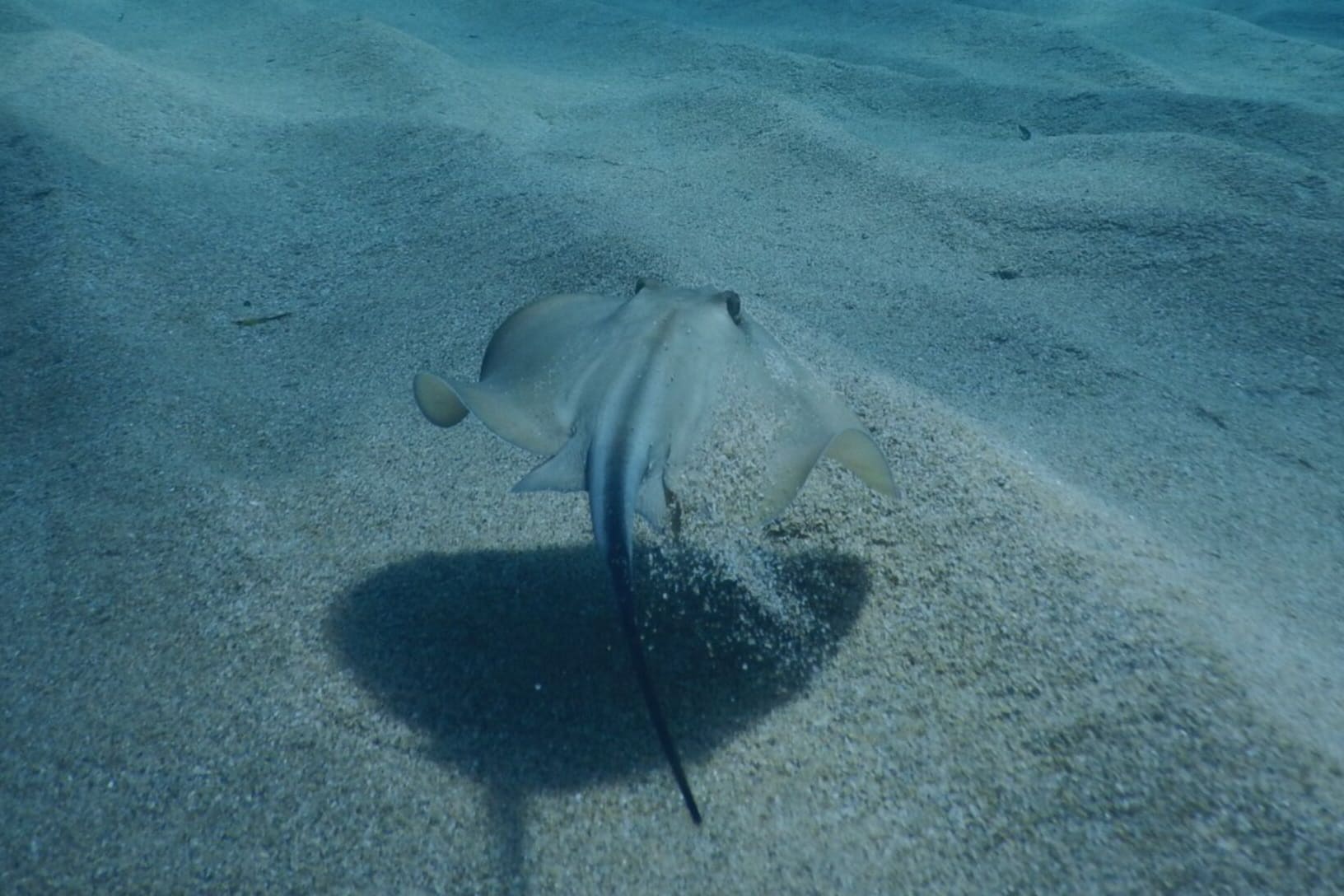
Since February 2022, iSea has been diving deep into the unique marine ecosystem of Amvrakikos Gulf through the By ElasmoCatch Project. This ongoing research has revealed the Gulf’s vital role as a hotspot for elasmobranch biodiversity, hosting an incredible array of species, including eight species of rays and two shark species. Among these are some of the most threatened in the Mediterranean, like the Critically Endangered Spiny Butterfly Ray and the Duck Bill Eagle Ray, alongside species, such as the Endangered Sandbar Shark and several others, classified as Vulnerable or Data Deficient.
Even more exciting, the Gulf has been confirmed as a nursery ground for three key species—the Spiny Butterfly Ray, Duck Bill Eagle Ray, and Smooth-hound Shark—with newborns and juveniles observed year-round. This makes the area a lifeline for these species, offering a critical habitat to support their survival.
However, the delicate balance of this ecosystem is under threat. Fishing activities in the area, including both targeted and accidental bycatch, disproportionately affect immature individuals, potentially harming future populations. Our research has shown that fishing gear plays a significant role, with certain nets catching younger and smaller individuals, while others target large, vulnerable species during critical times, such as pregnancy. At the same time pollution, that is the main threat of the Gulf, also affects shark and ray populations.
Beyond fishing pressures, the populations of sharks and rays in the Amvrakikos Gulf face significant threats from agricultural and industrial activities. Runoffs from intensive agriculture introduces high levels of nutrients, pesticides, and other chemicals into the water, leading to pollution that can degrade critical habitats, like nursery grounds. Industrial waste, including untreated or poorly managed discharges, adds further stress to the ecosystem by contaminating the water with harmful substances.
Inner Ionian Archipelago
The Inner Ionian Archipelago is of high ecological value due to the presence of a significant number of marine megafauna species, as well as the existence of extensive Posidonia seagrass meadows. The distinctive morphology of the area, characterized by the presence of numerous submerged caves, provides critical breeding habitats for the Mediterranean monk seal and hosts other marine mammal species, such as the Cuvier’s beaked whale, the fin whale, the common dolphin, and the common bottlenose dolphin. Two species of sea turtles also occur in the area, the loggerhead turtle and the green turtle, together with several marine and pelagic bird species, such as the Yelkouan shearwater, Scopoli’s shearwater, the European shag and two deep-sea shark species including the Endangered devil ray.
The area remains particularly important for the Mediterranean monk seal, with indications of an increasing presence in recent years, particularly around Formicula islet. The increased frequency of sightings, including newborn pups, highlights the importance of the area as a critical habitat, while simultaneously underscoring the need to manage pressures from unregulated tourism. Similarly, the uninhabited islets of Atokos and Arkoudi are of comparable ecological significance.
Formicula
Formicula is a small uninhabited islet in the Inner Ionian Archipelago, covering just 8.7 hectares yet hosting remarkable biodiversity. Its surrounding marine habitats include rocky reefs, Posidonia seagrass meadows, underwater caves, and sandy bottoms, supporting a rich variety of marine life. These habitats are home to threatened species, such as groupers and the Mediterranean monk seal, one of the world’s most endangered mammals.
A major step for the protection of the area was the establishment of a 200-meter strict protection zone, following a recent Ministerial Decision that was issued after 3 years of intense efforts of iSea. Despite these measures, significant threats remain. Unregulated tourism and increased boat traffic disturb wildlife, particularly the Mediterranean monk seal, while uncontrolled anchoring damages sensitive Posidonia meadows. Illegal fishing practices continue to impact the ecosystem, underscoring the need for ongoing monitoring and public engagement.

How you will contribute
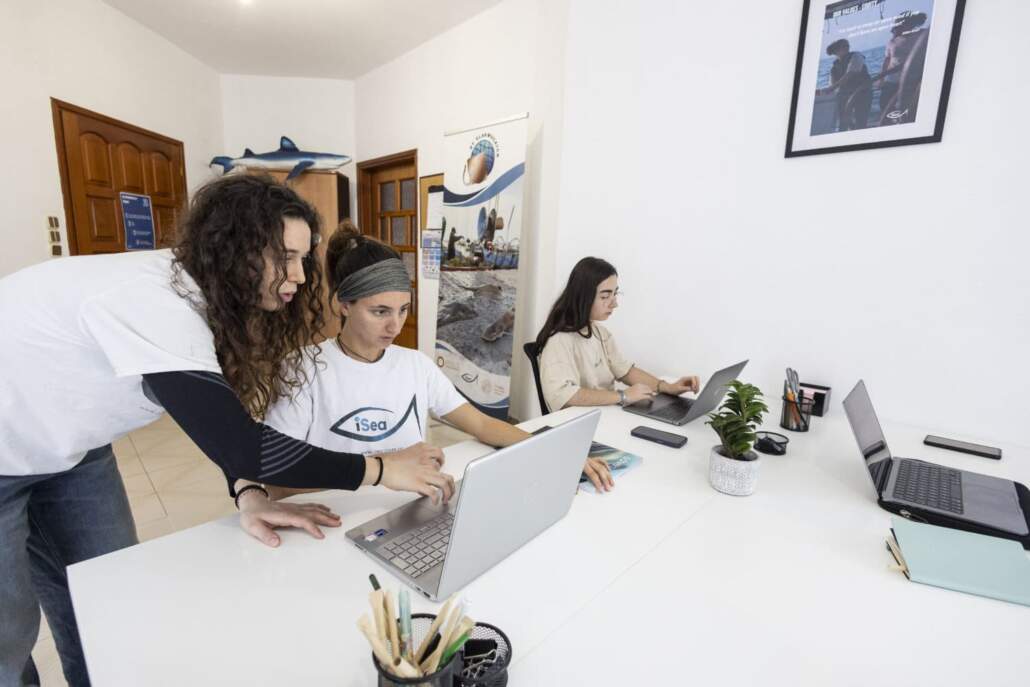
You don’t need to be a scientist to make a real difference. By joining our project, you’ll take an active role in hands-on conservation work across both Amvrakikos and the Ionian Sea. Your contribution will directly impact the preservation of these remarkable species and their habitats through a variety of activities:
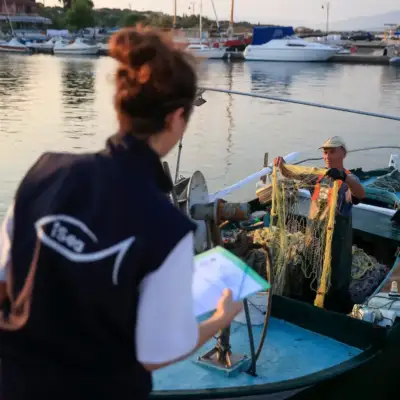
Monitoring fishing activities
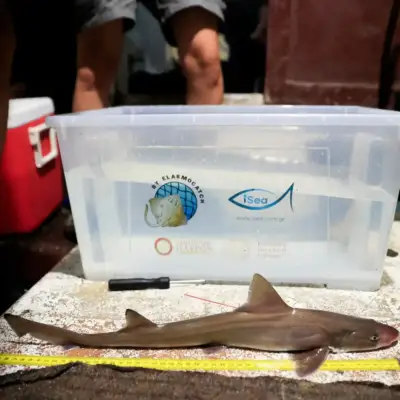
Collect data om the ecology and biology of sharks
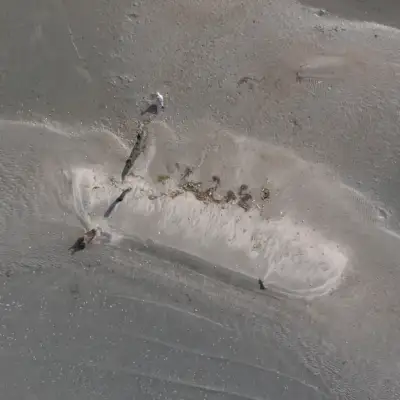
Drone surveys for fisheries monitoring
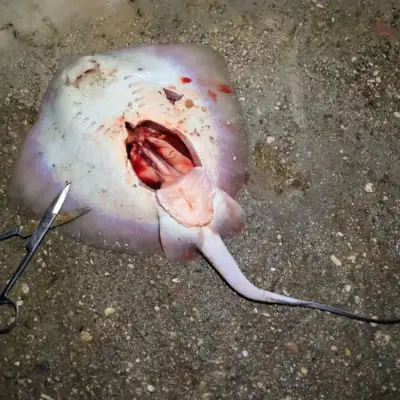
Stomach content analysis on sharks and rays
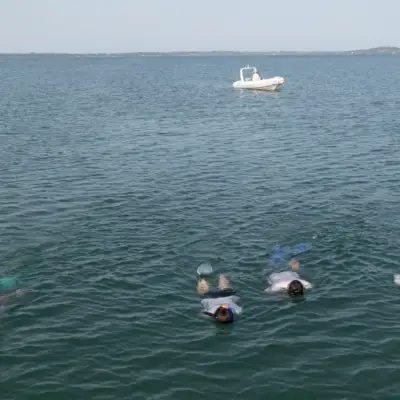
Snorkeling surveys for biodiversity
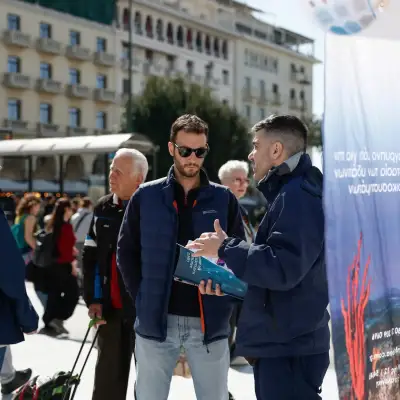
Public awareness events
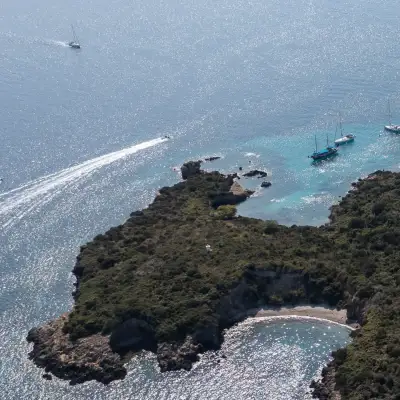
Boat traffic monitoring
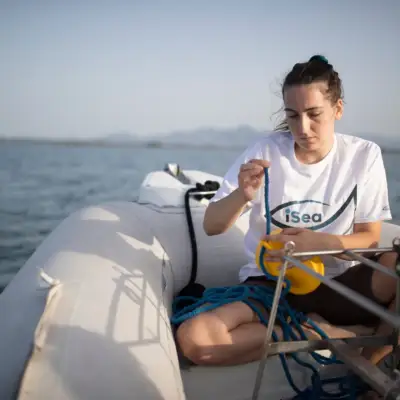
Baited remote camera surveys

Data recording and analysis
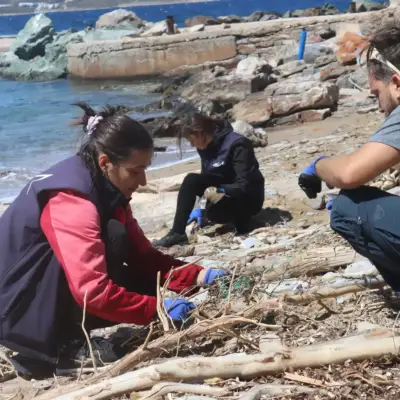
Beach clean ups
Location
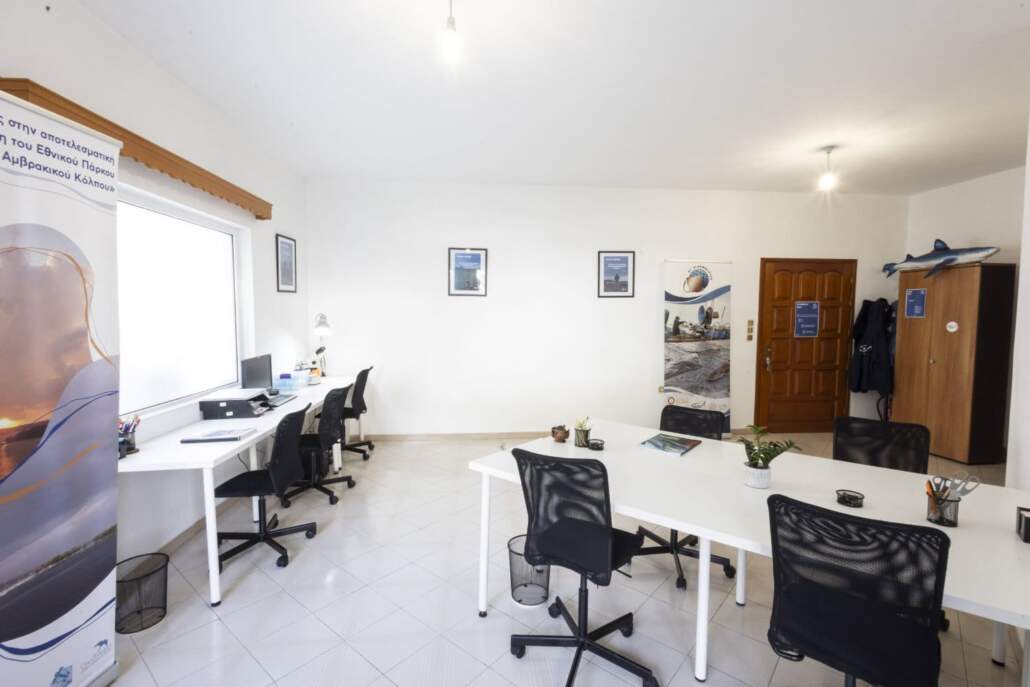
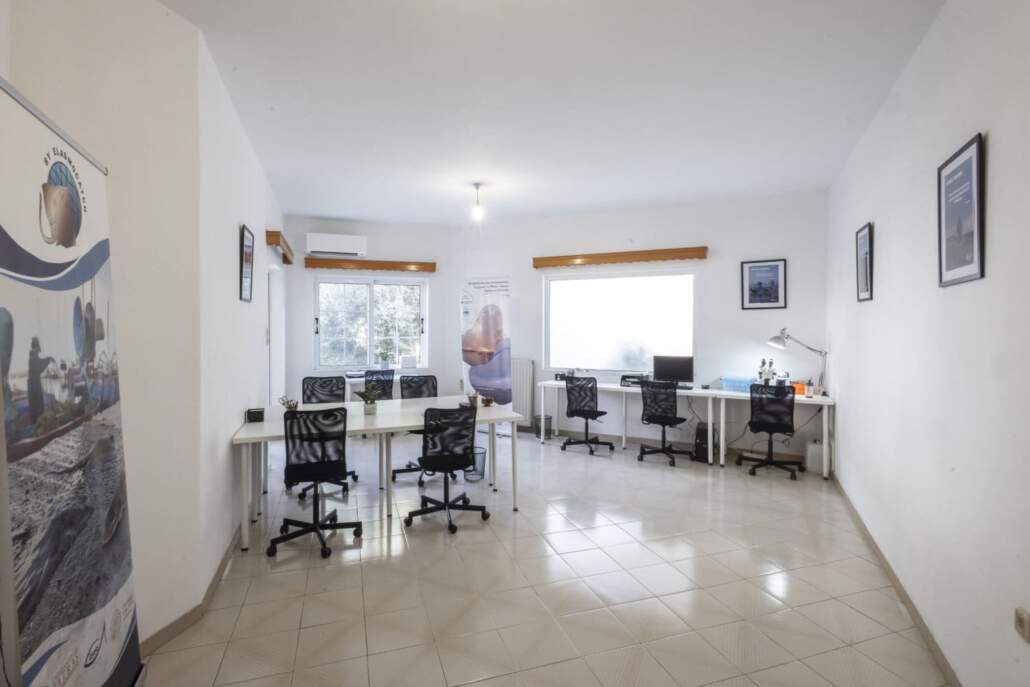
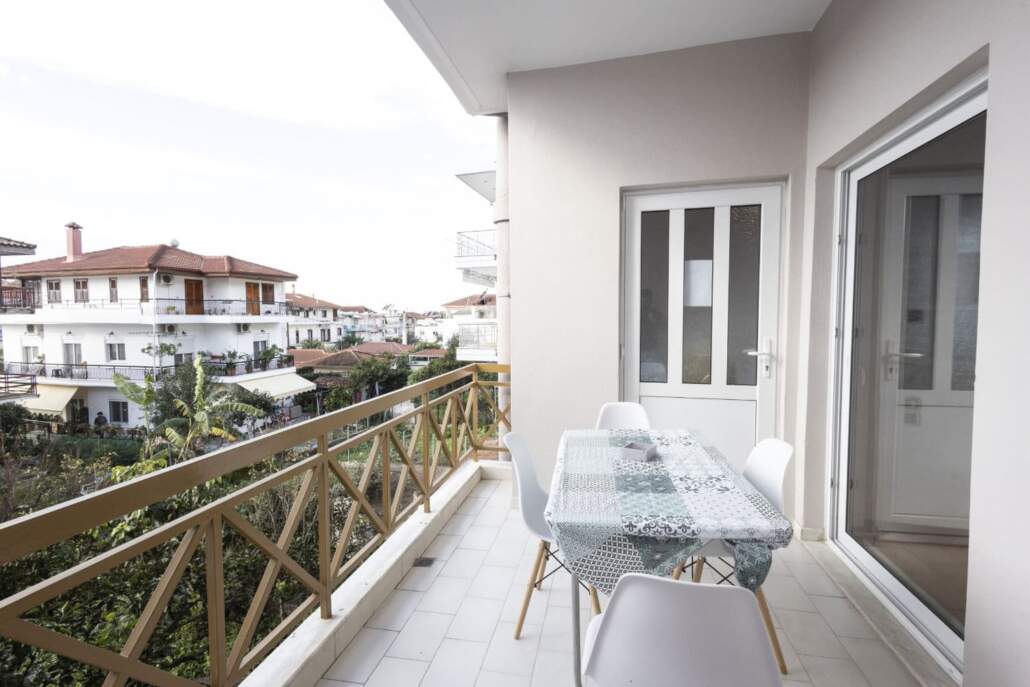
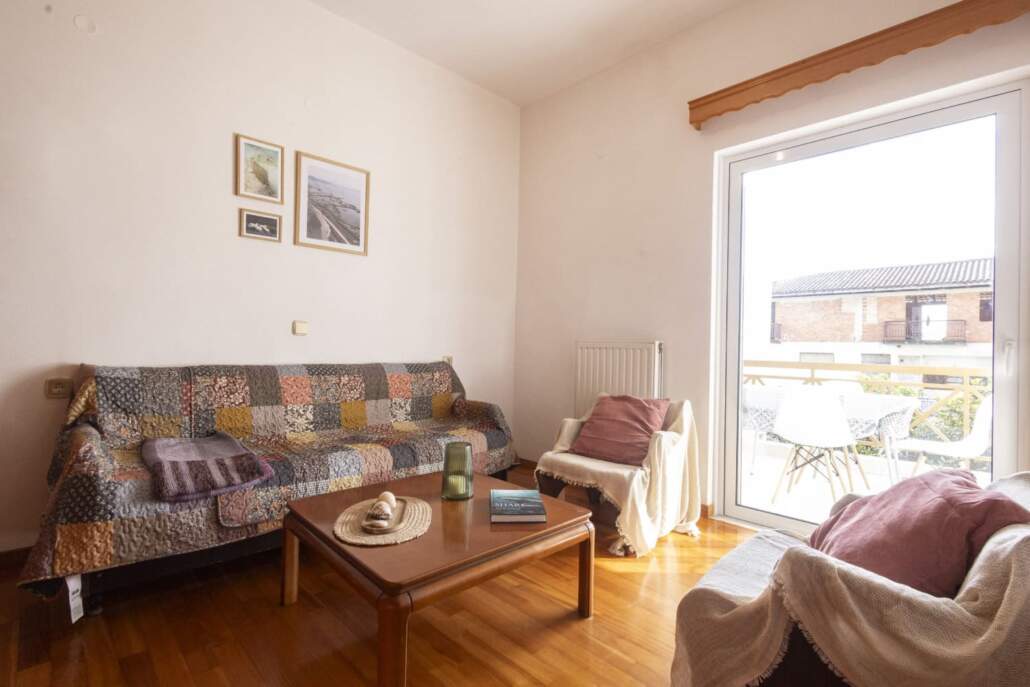
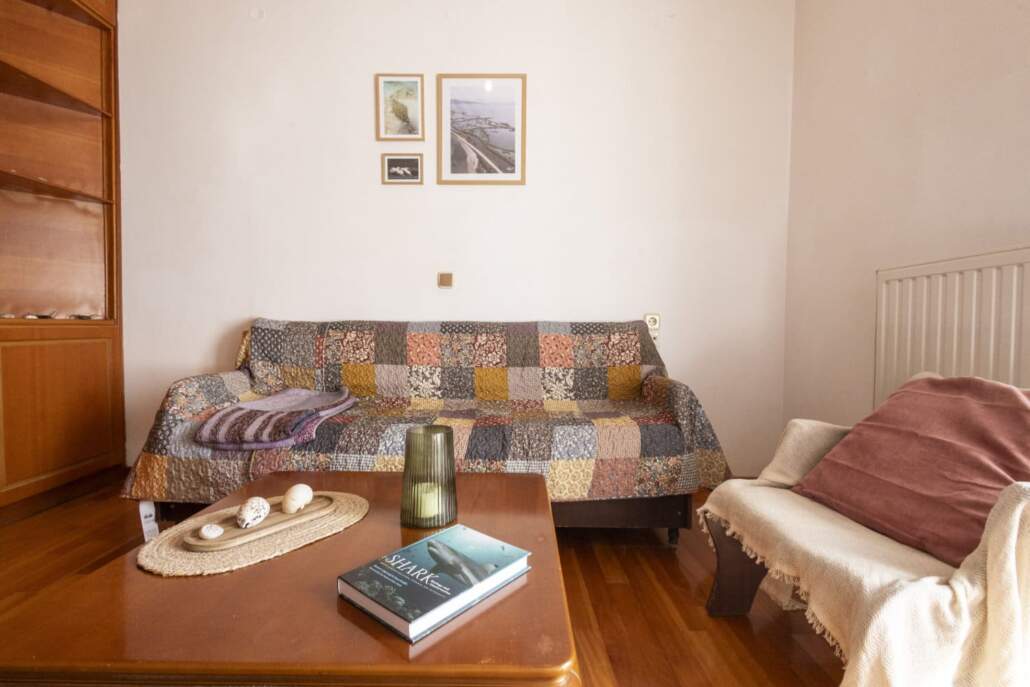
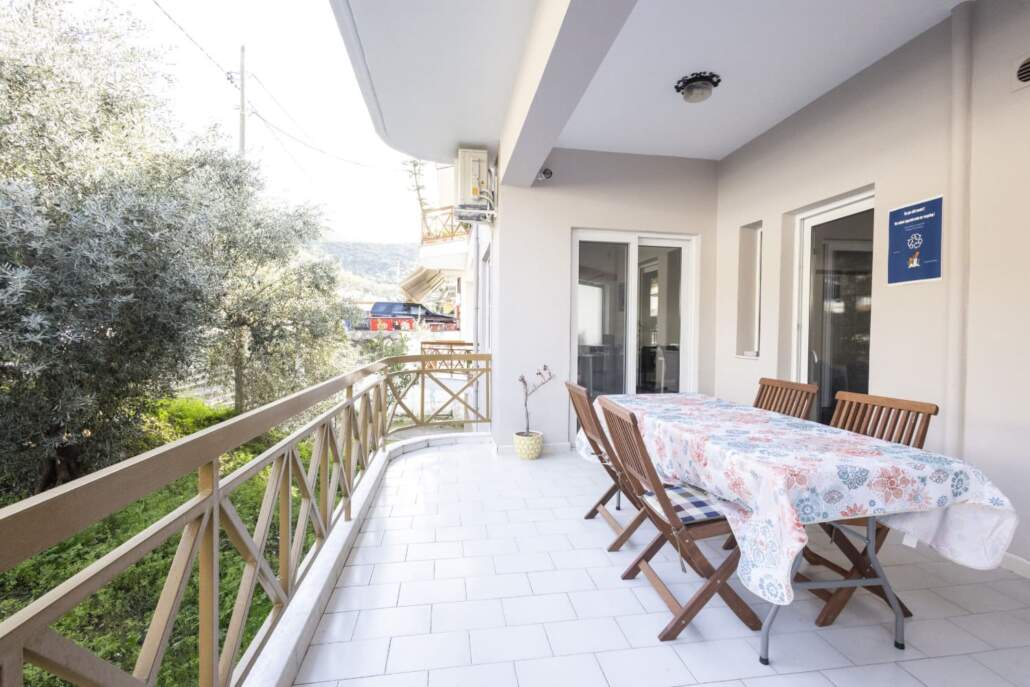
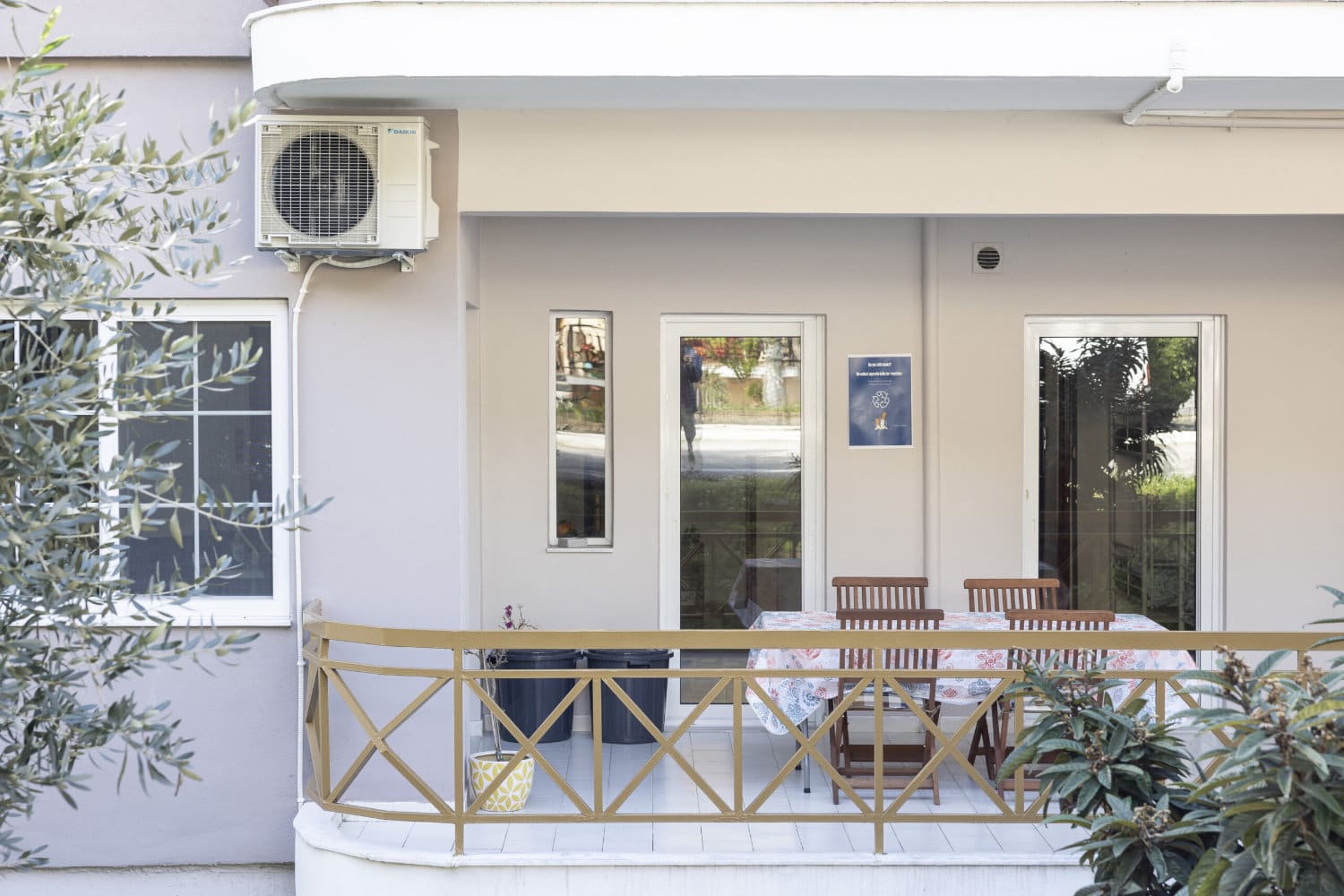
The field base of iSea is nestled in the charming village of Menidi, a tranquil gem along the picturesque coastline of the Amvrakikos Gulf. Surrounded by breathtaking natural beauty, Menidi offers a serene escape and a glimpse into authentic Greek village life. Participants will have the unique opportunity to immerse themselves in the local culture, forging connections with the warm and welcoming residents who call this village home.
During the summer months, Menidi comes alive with energy and charm. Its waterfront buzzes with life as tavernas serve freshly caught seafood, locals and visitors alike gather to enjoy traditional music, and the golden sunsets paint the sea with stunning hues. Whether soaking in the vibrant atmosphere or enjoying peaceful moments by the sea, Menidi offers an unforgettable experience that blends tranquility and lively Greek traditions.
Prices
Winter Season (September to May)
500 euros/week*
Summer Season (June to August)
600 euros/week*
*Book one week and enjoy a 10% discount on any additional teams you book. The receipt can be used for tax deduction.
The prices include:
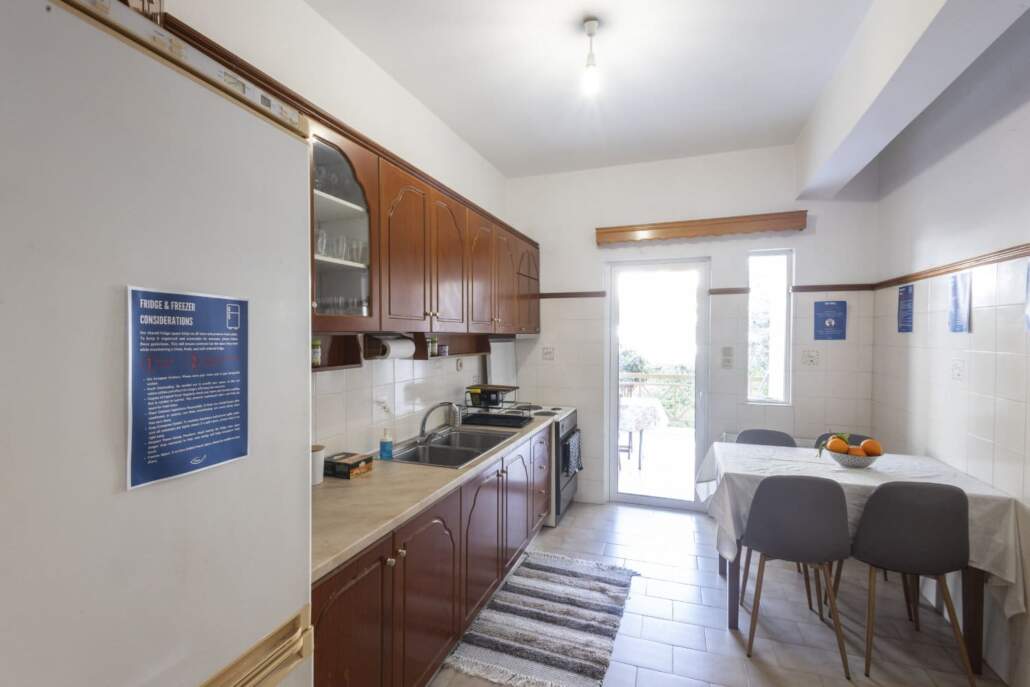
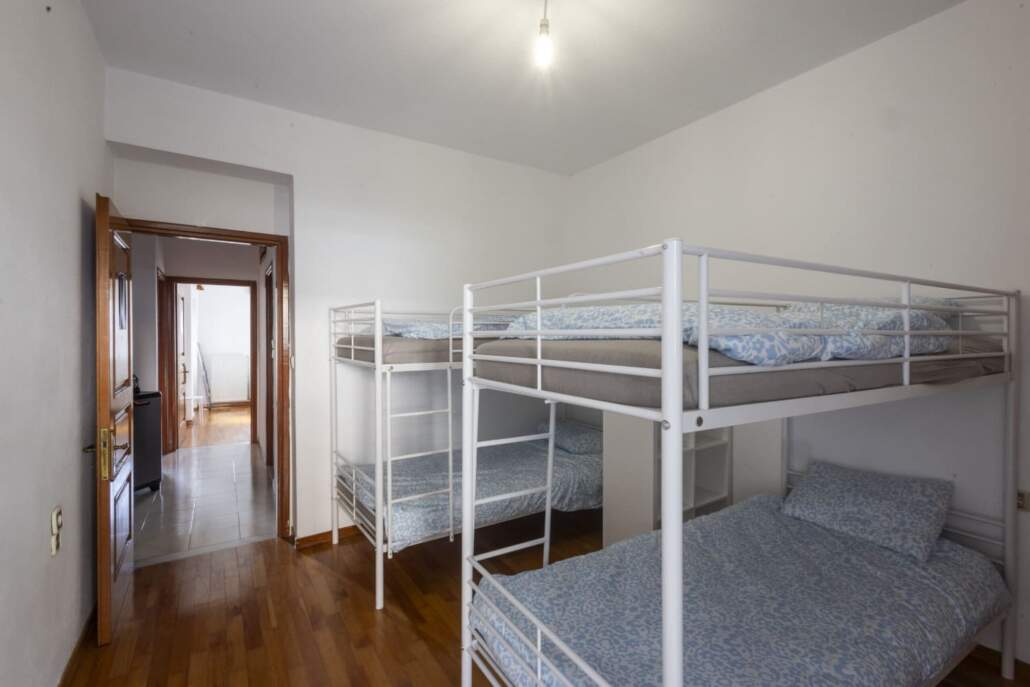
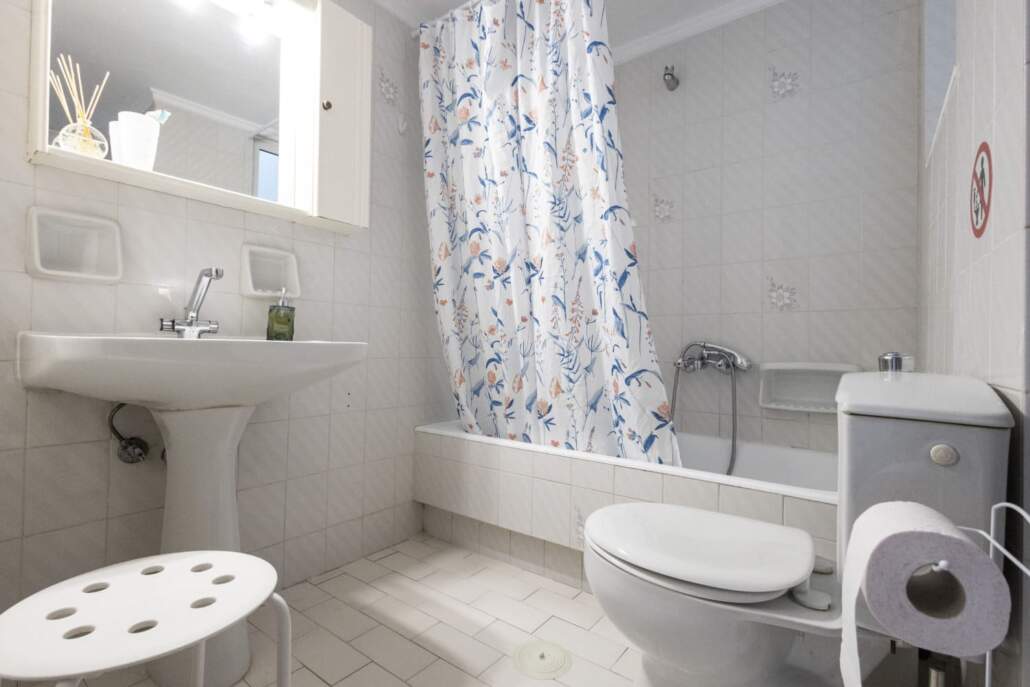
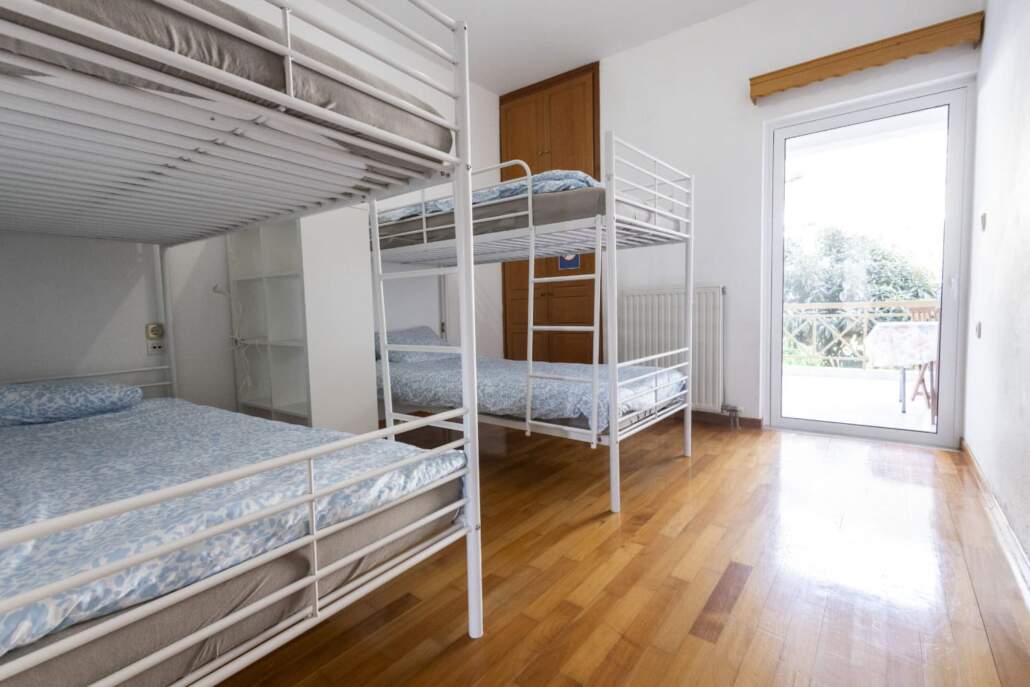
- Accommodation: Stay at the field base
- Meals Included: Breakfast, lunch, and dinner (excluding alcoholic and soft drinks) for the entire duration of the stay prepared in iSea’s field base
- Utilities Covered: Electricity, water heating, and cooking costs
- Scientific Supervision: Direct oversight and support from experienced professionals.
- Administration costs
- Certification: Receive a certificate of participation in the project
The prices DO NOT include:
- Travel Costs: Expenses for traveling to and from Menidi are not included
- Personal Expenses: Personal costs, such as telephone calls, souvenirs, and other personal items, are excluded
- External Meals: Meals not provided at the iSea’s field base are not covered
- Beverages: Soft drinks, liquors, spirits, beer, wine, and other alcoholic beverages are not included
- Accident insurance coverage