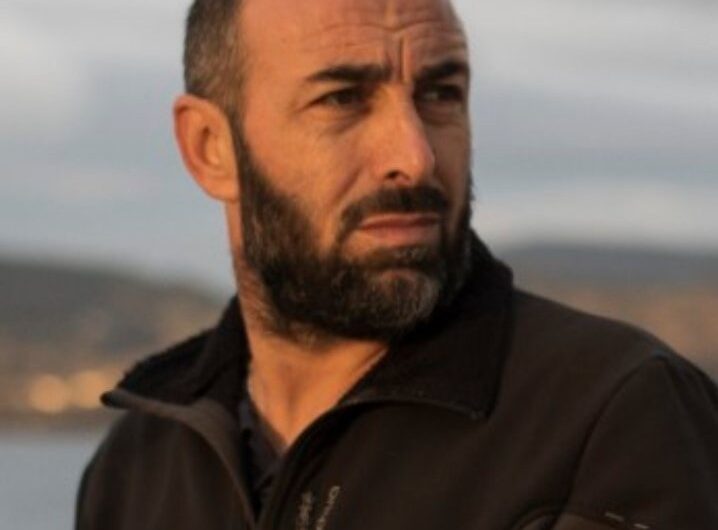
Apostolos Kypraios
Mr. Apostolos Kypraios is one of the professional fishers of the “Fishing For Litter” project that works in the area of Eastern Aegean sea tells his own experience in the sea and the fishing world.
R: How many years have you been in this field? When did you start fishing?
AK: I’ve been in this job since I was 23 when I finished my military service. My father was a fisherman and I started alongside with him, mainly because I liked the industry.
R: Could you describe a day in the sea?
AK: The sea is different every day, either because of the weather or because of the type of fishing catch. You never get bored! There are many special days at work. One thing that’s certain is the fact that I have great interest and fervor for what I do!
R: What differences do you notice in the amount of litter in the sea compared to the past?
AK: There are some places that are quite polluted because of the currents and the topography of the seabed. There are mainly light items such as plastic bags etc in these places. Heavier items that sink, such as tyres etc. diminish over the years.
R: What is the strangest type of litter you have removed from the sea?
AK: Many plastic boats with the engines on, mainly on the eastern sides of Samos.
R: What does the sea and its protection mean to you?
AK: The sea is everything for us, it is the place where we live and work, we take care of it as much as we can.The sea is interconnected with us and our work and so is its protection.
R: What is the message you would like to pass along the world?
AK: The sea needs an effort, perseverance and patience. Let’s stay optimistic!
iSea’s «Fishing For Litter» project is implemented for 6 years in a row, in lots of different areas in Greece, in collaboration with the A C Laskaridis Charitable Foundation. The ambassadors of this project, the professional fishers who actively support the effort of collecting and recording marine litter from the sea all over the country, talk about the nature of their job and share their experience and thoughts about the project.
We would like to thank all the fishers who cooperated with us, for a more effective implementation of the “Fishing For Litter” project and give a personal touch to this effort.