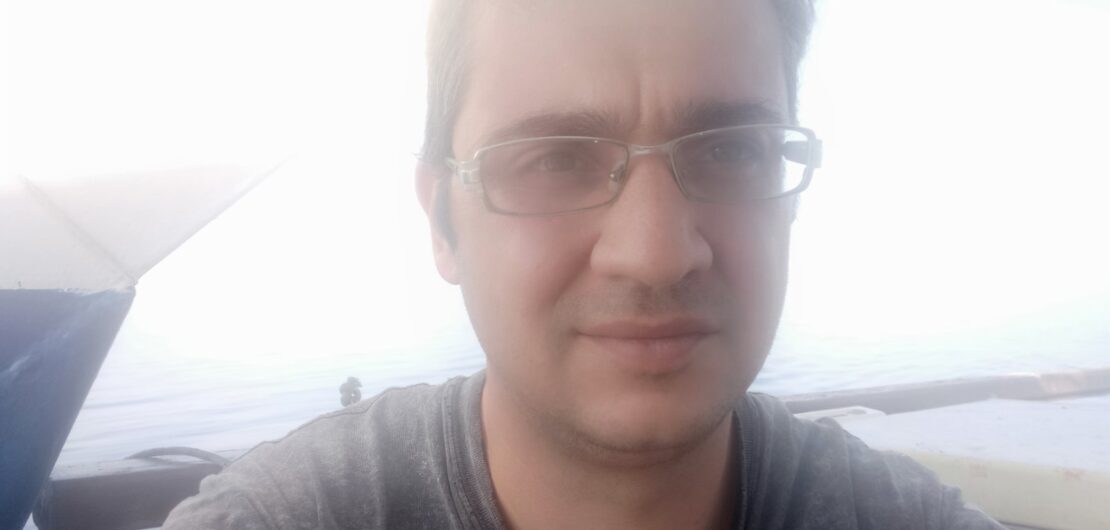
Konstantinos Tsolakis
Konstantinos Tsolakis is one of the fishers who actively participate in the “Fishing For Litter” project and tells us about the importance of the marine protection.
R: How many years have you worked as a fisher? When did you start fishing?
KT: My father was a fisherman and I took over the boat afterwards. I am now 36 and have been fishing for the last 12 years.
R: Could you describe a day in the sea?
KT: The procedure is now part of the routine. In our free time we relax with series and movies. The stress comes from managing expenses. There are certainly happier days, but they depend on the work and productivity.
R: What differences do you notice regarding the amount of litter in the sea compared to the past?
KT: In recent years there has been an increase in plastics and styrofoam, typically there is no rod without plastics.
R: What is the strangest type of litter you have removed from the sea?
KT: A suitcase full of stuff, probably immigrants’ personal belongings.
R: What does the sea and its protection mean to you?
KT: The sea personally means freedom. Its protection is one of the most important issues we should be discussing. Yes, there is more research interest, willingness and respect than before, but we have a long way to go. We as fishermen should be willing to take decisions to ensure the sustainability of the seas.
R: What is the message you would like to pass along the world?
KT: Make more responsible choices about the fish you choose to eat in terms of both quality and origin. It is also important to be informed about how the fish you eat has been caught.
iSea’s «Fishing For Litter» project is implemented for 6 years in a row, in lots of different areas in Greece, in collaboration with the A C Laskaridis Charitable Foundation. The ambassadors of this project, the professional fishers who actively support the effort of collecting and recording marine litter from the sea all over the country, talk about the nature of their job and share their experience and thoughts about the project.
We would like to thank all the fishers who cooperated with us, for a more effective implementation of the “Fishing For Litter” project and give a personal touch to this effort.