
Friday 10 October 2025
MARINE BIODIVERSITY OF EASTERN LEMNOS AND THE SPECIES SUPPORTED BY ITS DIFFERENT HABITATS
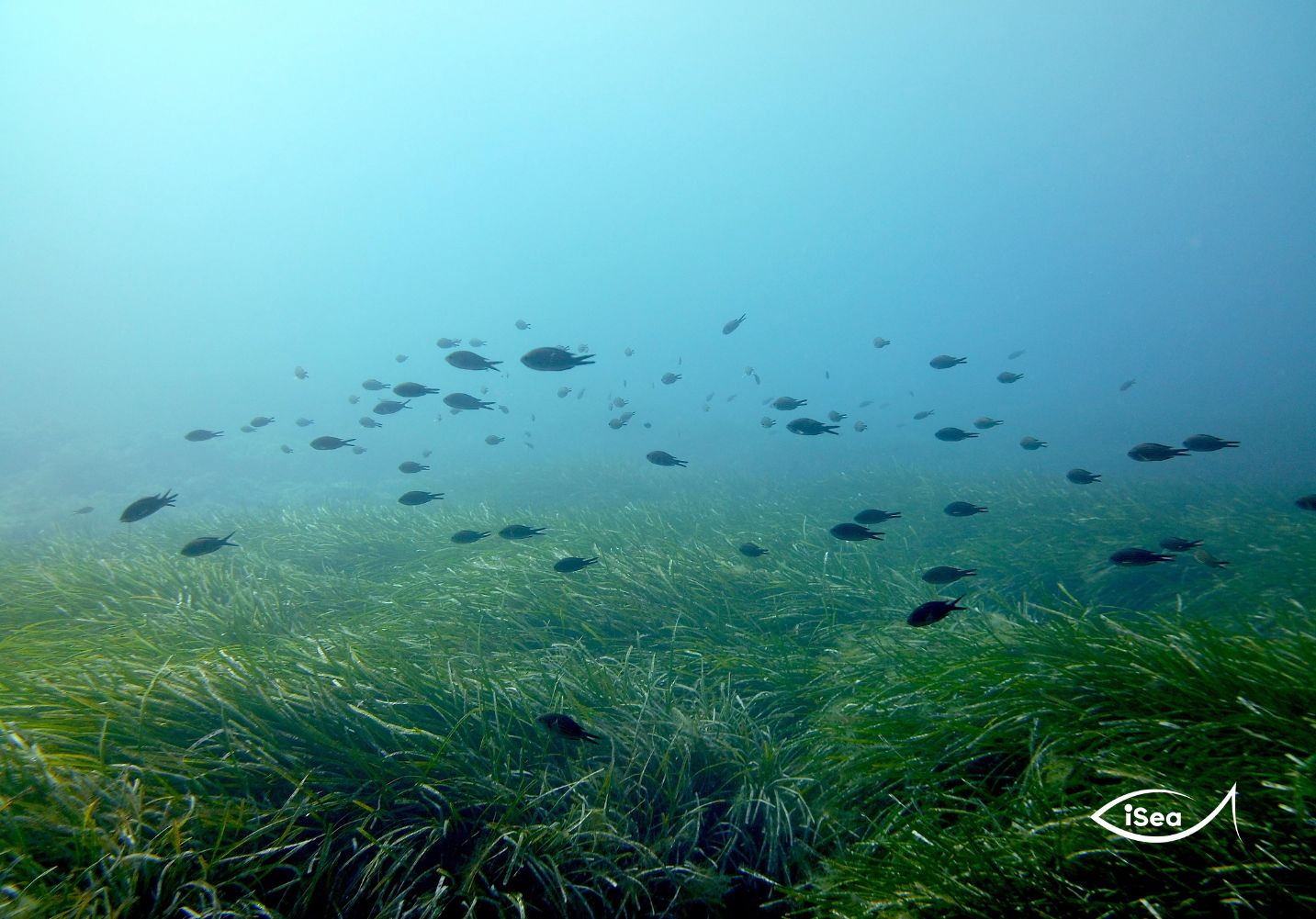
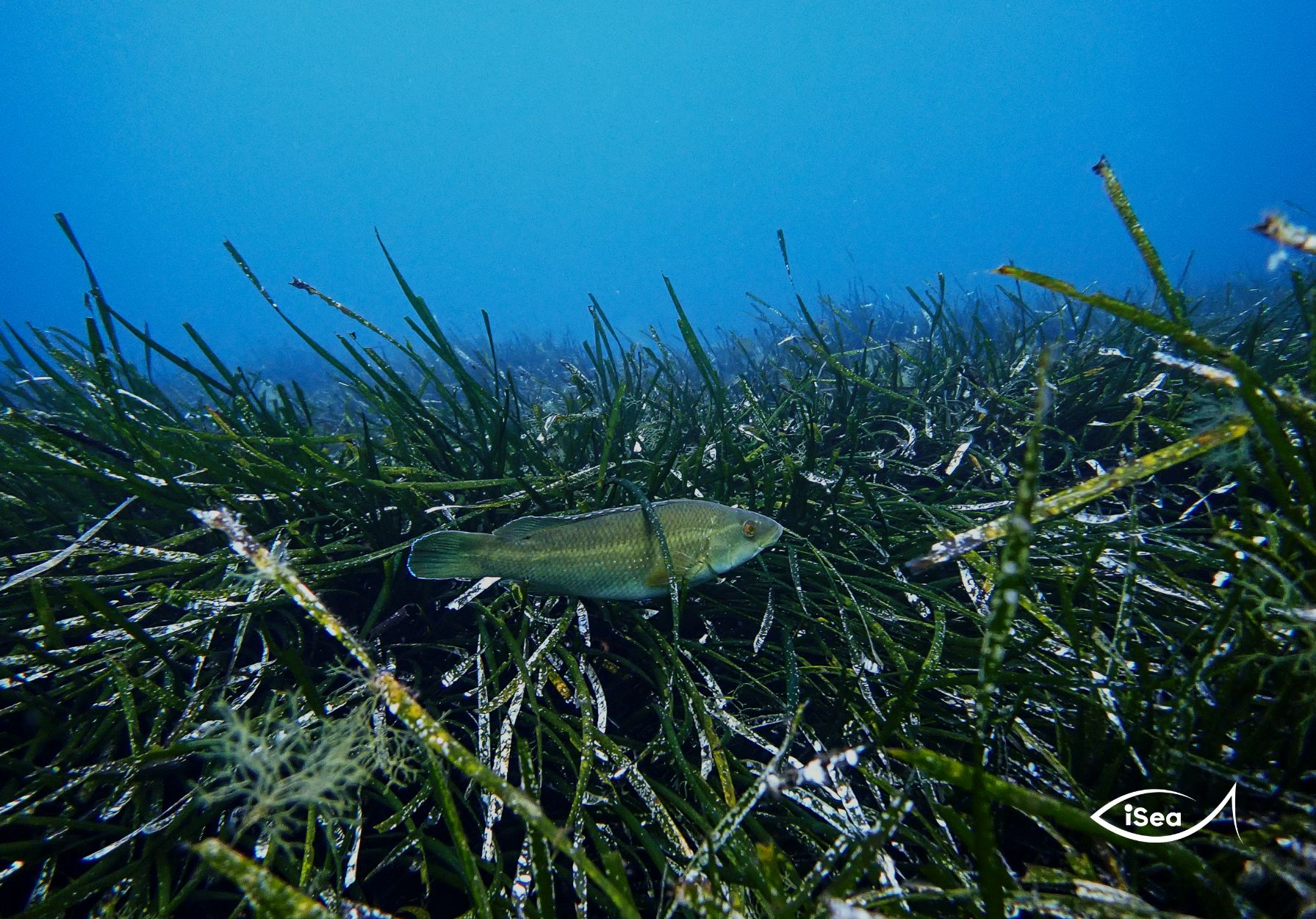
The “Blue Lung” of the Eastern Mediterranean is located in Lemnos, where the largest Posidonia meadow in the region can be found. While this fact alone makes it valuable, its ecological significance has not been sufficiently studied. For this reason, iSea, in collaboration with the University of Patras, the Blue Marine Foundation, and with the participation of the local fishing community, has been working in the area since 2022 to:
- conduct a detailed mapping of the Posidonia meadows within and beyond the boundaries of the Protected Area,
- understand their ecological importance,
- • fill knowledge gaps regarding the most significant habitats in the area and the species they support,
- promote their protection, and
- engage and empower stakeholders involved in their management.
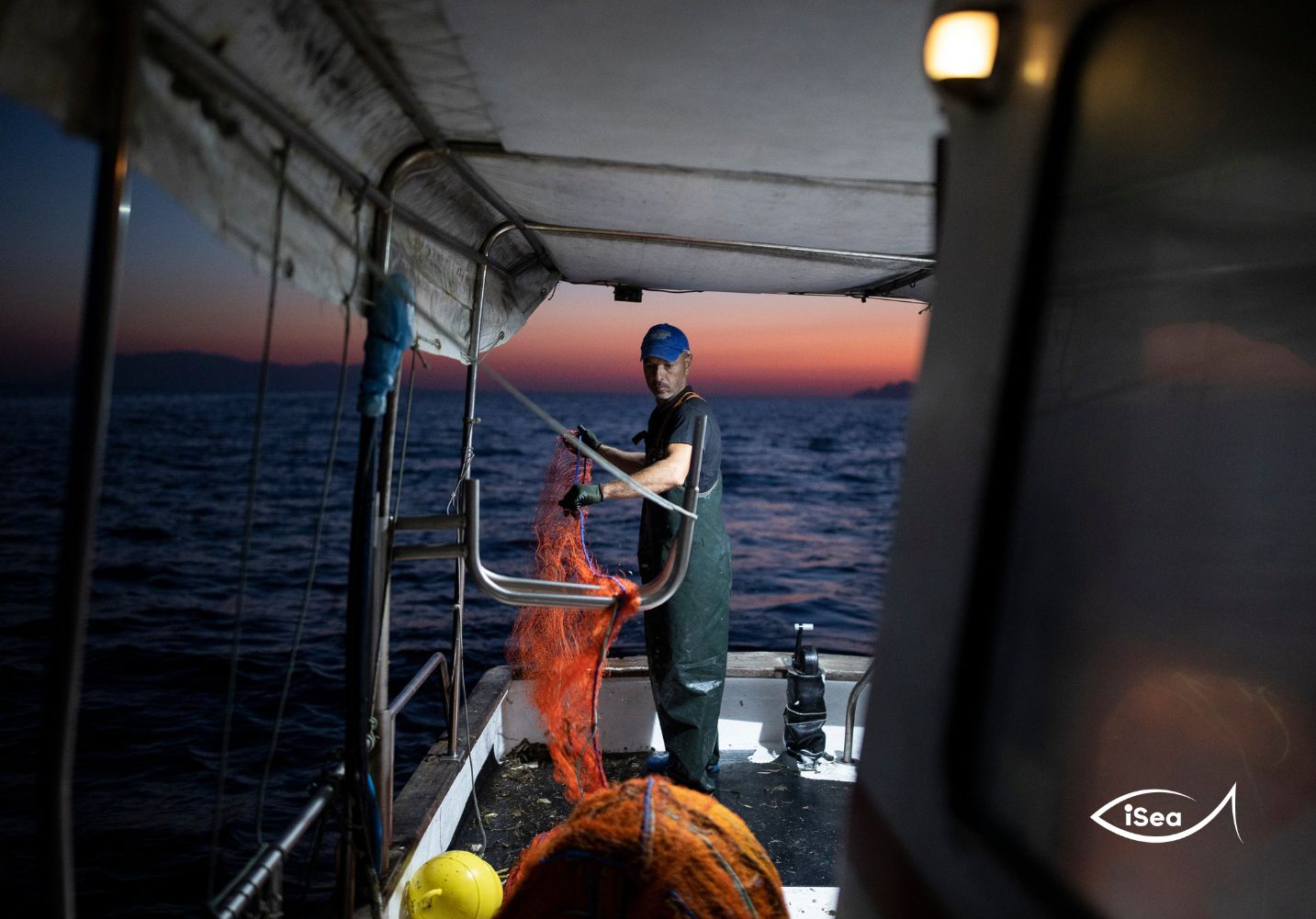
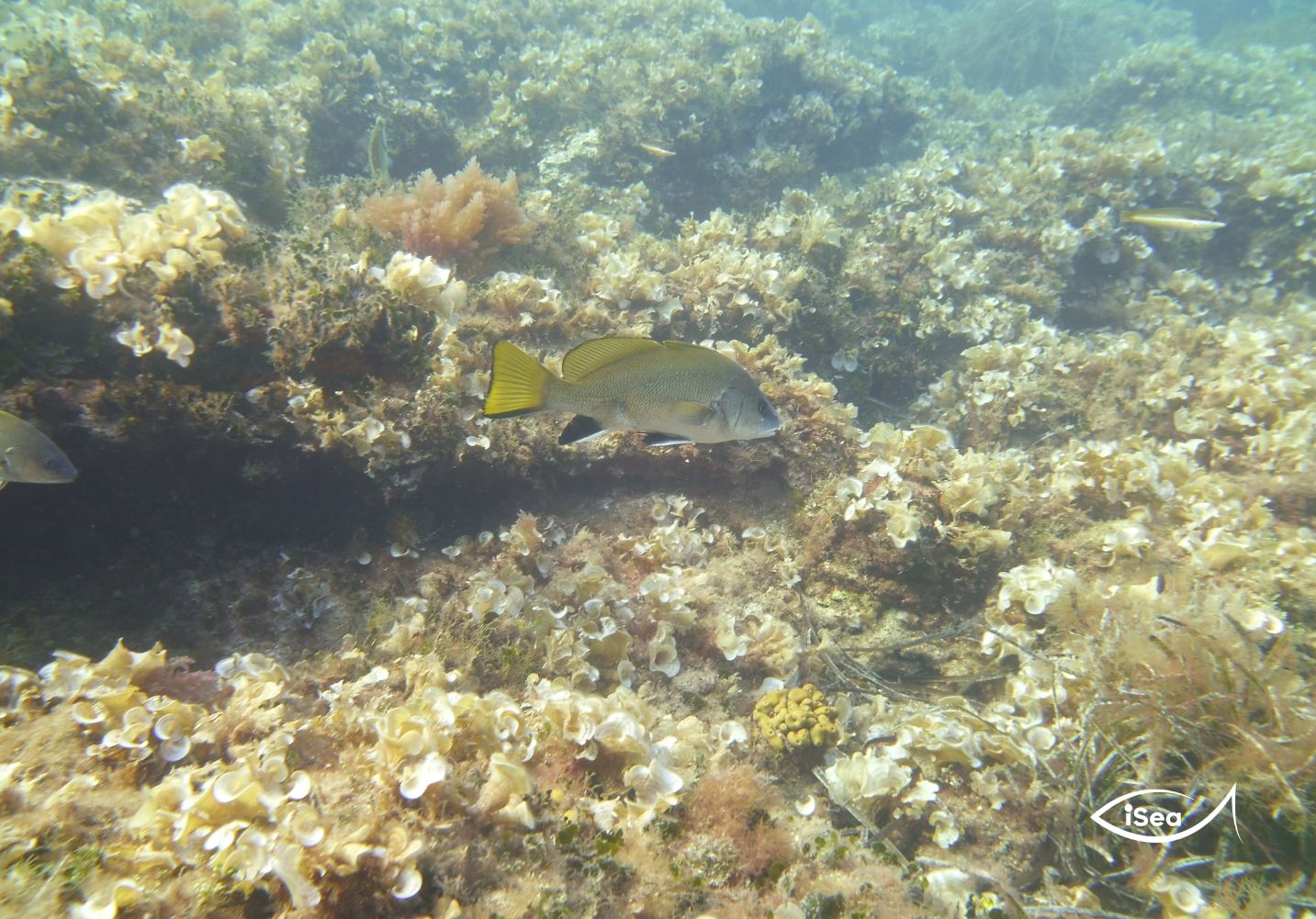
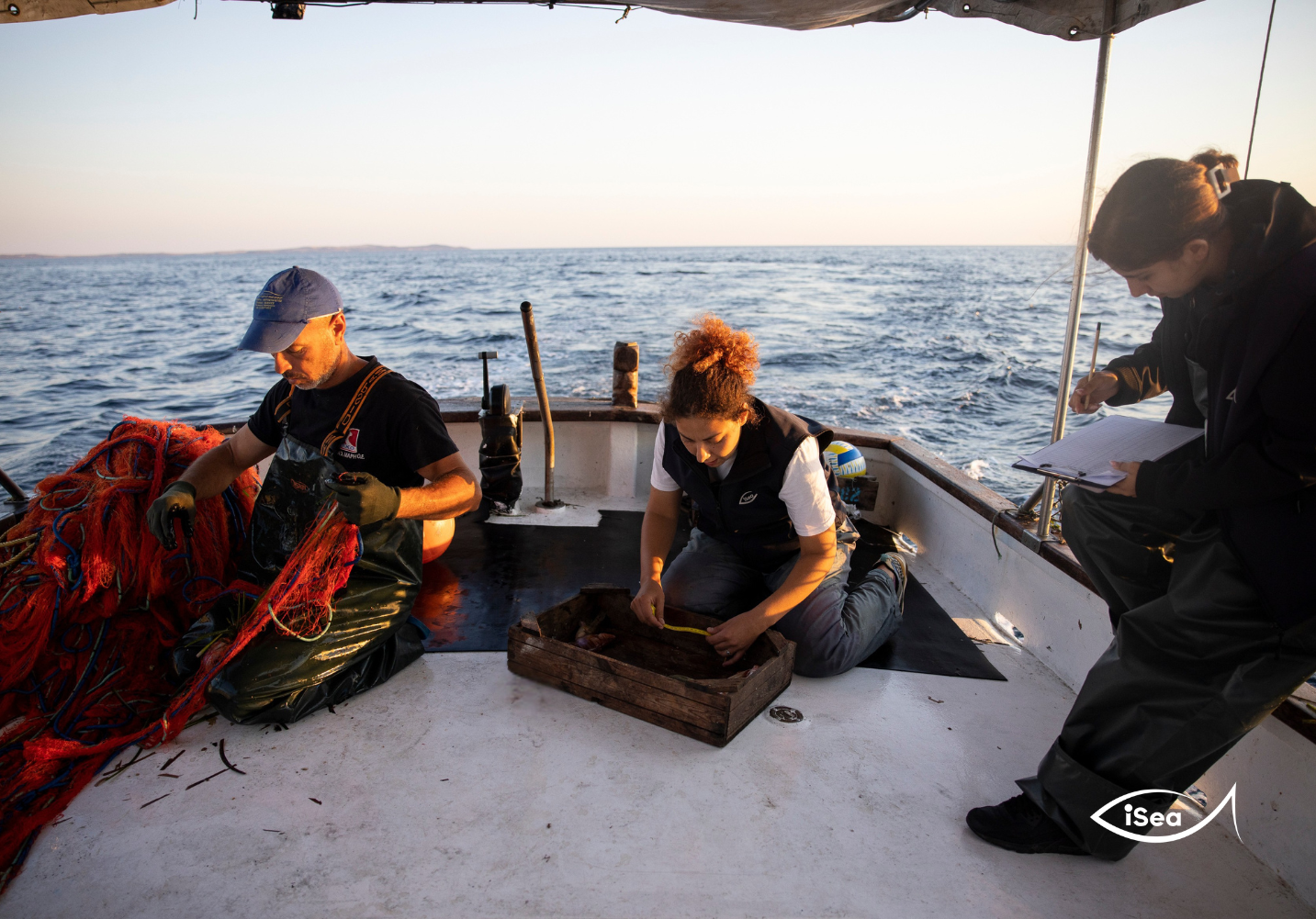
In this context, an assessment of fish biomass and the relationships between different species and habitats was conducted using fishing data collected in collaboration with local fishers from 2023 to early 2025. During 27 fishing trips, 68 different species were recorded, captured across 3 different habitats: Posidonia meadows, rocky reefs, and maerl beds. Data analysis led to the evaluation of local fish communities and their biomass, the identification of species-habitat relationships, and the determination of their breeding areas.
The study’s results demonstrate the vital importance of protecting the “Blue Lung” of the Eastern Mediterranean for safeguarding marine life in the area and beyond, as well as for the survival of Lemnos’ coastal communities. They also confirm that Posidonia meadows function as “nurseries,” providing shelter and feeding grounds for the early life stages of many marine species, while maerl substrates appear to be important during adulthood and the breeding season. At the same time, they clearly show how each habitat offers different conditions that attract different species. In conclusion, the three habitats function complementarily in maintaining the area’s marine biodiversity; therefore, a holistic management approach is needed to ensure effective conservation of its marine life.
Relying on its natural wealth, Lemnos retains its picturesque character and continues to base its economy on the primary sector, with fishing being a key part of the local economy and a main activity for its fishing villages. However, even here, the marine environment faces modern challenges, many of which are first noticed by the fishers themselves, who are increasingly participating in studying and protecting the marine environment.
With the cooperation of the local community, our activities in the area continue in order to expand our knowledge about its habitats and species, aiming to promote responsible fishing practices and support the long-term protection of the unique marine environment of northeastern Lemnos.
Find the full report here.
Find more about the project “Protecting Eastern Lemnos Habitats here.