
A major environmental victory for the citizens of Magnesia
The Need for Healthy Oceans and a Shift Away from Fossil Fuels—Is the Ministry of Environment and Energy Listening?
The environmental organisations Hellenic Society for the Protection of Nature, Hellenic Ornithological Society, Pelagos Cetacean Research Institute, Greenpeace, iSea, MEDASSET and WWF Greece express their congratulations to the citizens and organisations of Magnesia who defended, with persistence, what is self-evident: the right to clean and vibrant seas and to a safe environment, free from dangerous and polluting facilities.
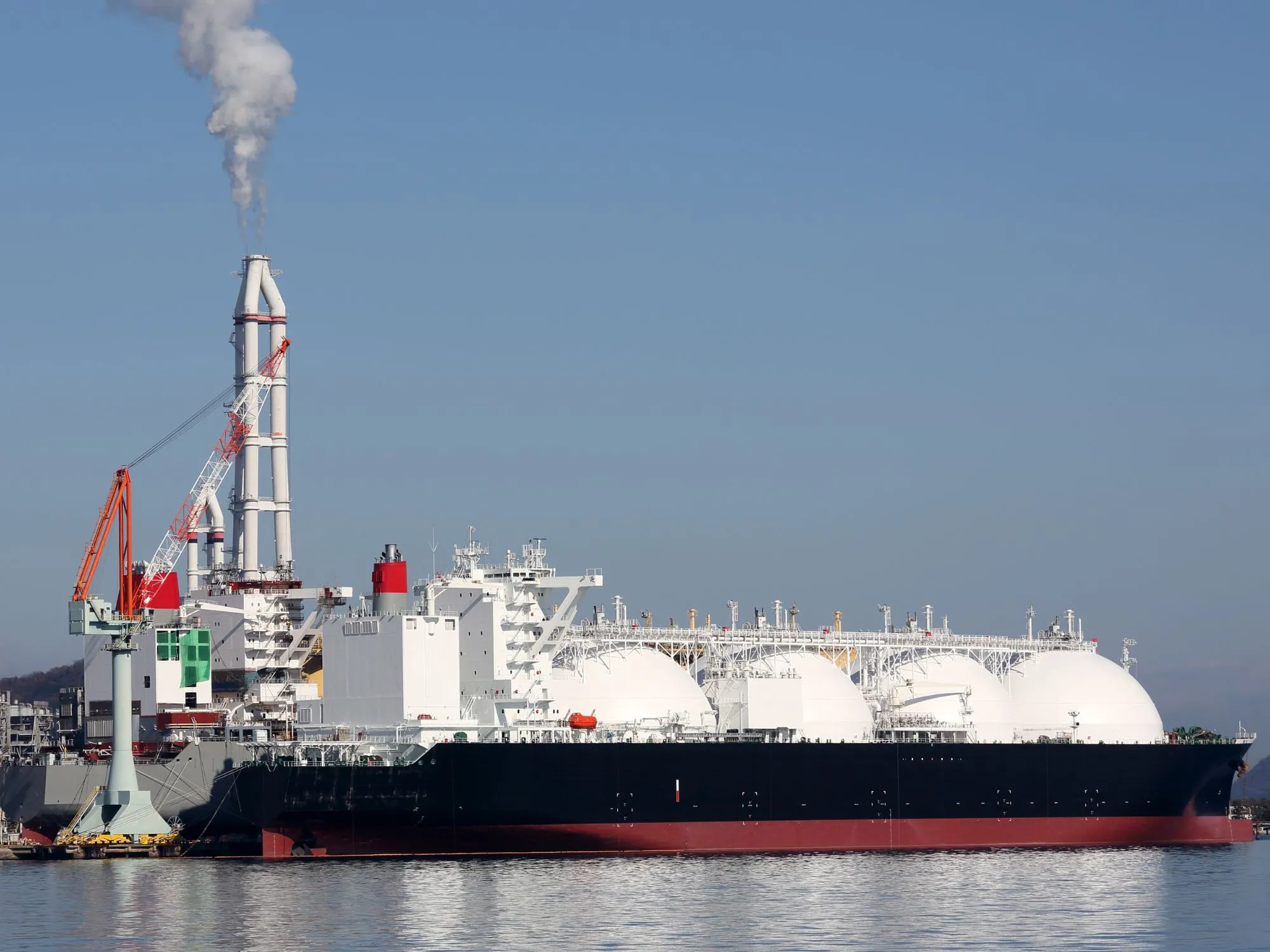
The decision of the Ministry of Environment and Energy to reject the application for environmental licensing of the "Argo" LNG terminal constitutes an important victory for civil society and a vindication of a struggle waged by the citizens and organisations of Magnesia with documentation, consistency and determination. However, it comes in complete contradiction with the approval granted for the second ASFA within the Natura area "Marine Area of Thrace", in the ecologically invaluable waters off Alexandroupoli.
Magnesia has reason to celebrate: it proved that local communities can defend their homeland against projects that intensify dependence on fossil fuels and burden the climate, while attempting to ignore local impacts, such as those on the marine environment and on citizens' sense of safety.
We call on the Ministry of Environment and Energy to follow the same environmentally responsible stance and also reject the plans for the second LNG terminal in Alexandroupoli, the ASFA Thrace project. New natural gas infrastructure cannot be promoted within or adjacent to sensitive ecosystems, in areas of high environmental value, when it is explicitly prohibited by national legislation for Natura 2000 sites, and certainly not without a full assessment of the impacts of greenhouse gas emissions and without compliance with the European Methane Regulation.
The climate crisis does not allow for further delays or further investments that lock the country into deep dependence on fossil gas, which is particularly polluting and dangerous and promises only serious economic, social and environmental costs.
The cases concerning the already existing LNG terminal in Alexandroupoli and the new Thrace ASFA have been challenged by the environmental organisations before the Council of State for a series of extremely serious reasons, including the failure to assess and implement measures to mitigate emissions of methane and other greenhouse gases, the critically serious impacts on the marine ecosystem protected under European and national legislation, the prohibition under the Biodiversity Law of such dangerous facilities in Natura areas, and the failure to establish protection measures for the critically endangered harbour porpoise (Phocoena phocoena), whose only habitat in Greece is the Thracian Sea.
We call on the Ministry of Environment and Energy, using the same reasoning it applied in the case of the Volos ASFA, to prioritize environmental protection, energy security, and the future of the next generations—not new infrastructure that keeps us tied to fossil fuels.

