Thurday 26 June 2025
JUNE 26 - INTERNATIONAL ANGEL SHARK DAY
FIVE YEARS OF INITIATIVES FOR THE PROTECTION OF THE RARE ANGEL SHARKS IN GREEK WATERS
On the occasion of today's International Angel Shark Day, iSea highlights the ongoing efforts to conserve the three angel shark species found in Greek seas, emphasizing on the consistent and meaningful contribution of people who work at sea.
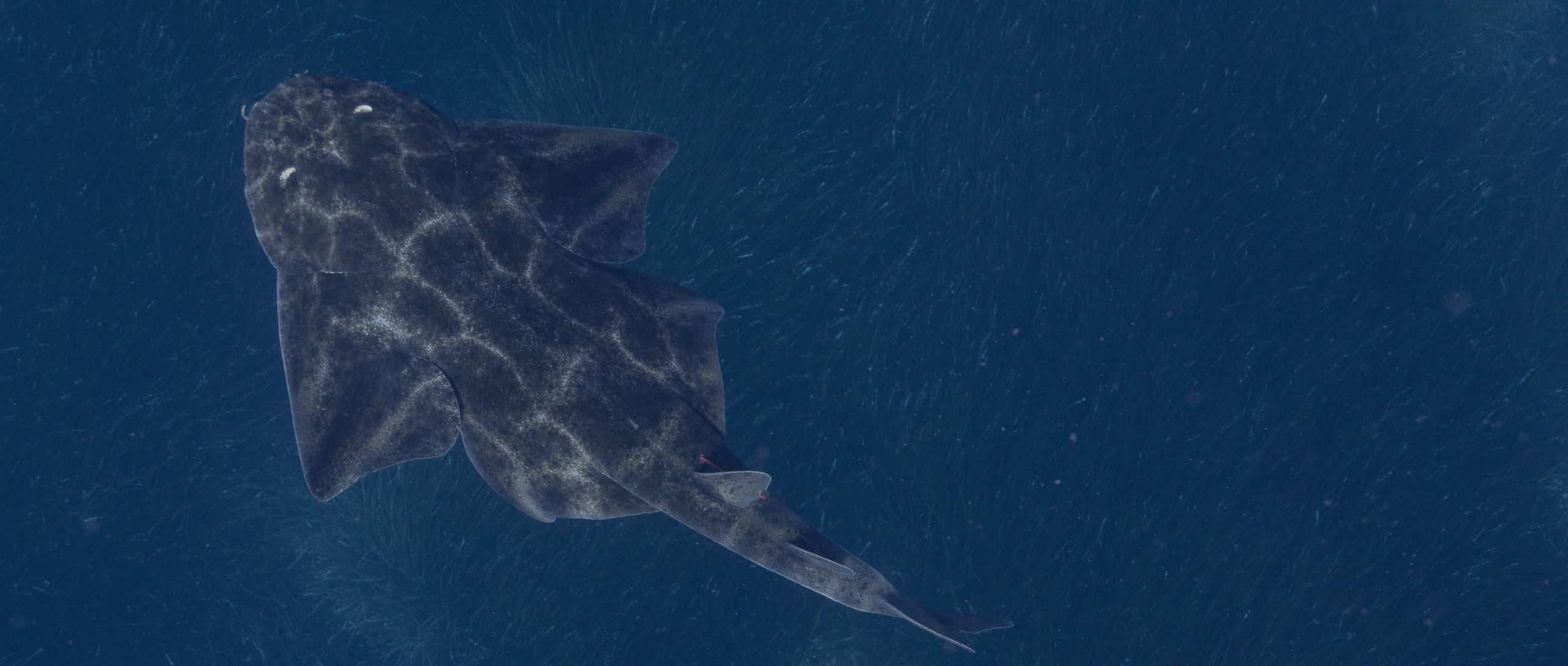
Greece is one of the few Mediterranean countries that hosts all three species of angelshark: the common angelshark (Squatina squatina), the sawback angelshark (S. aculeata), and the smoothback angelshark (S. oculata). Although they were once common, today their populations have declined dramatically and survive only in isolated areas, as decades of overfishing and habitat degradation have led to their mass decline. Despite being now protected by strict international legislation, they remain under threat, mainly due to bycatch and the lack of awareness.
In the recent revision of the Greek Red List, all three species were assessed as Critically Endangered, due to their low abundance, restricted local populations, and recorded local extinctions in areas where they were once widespread.
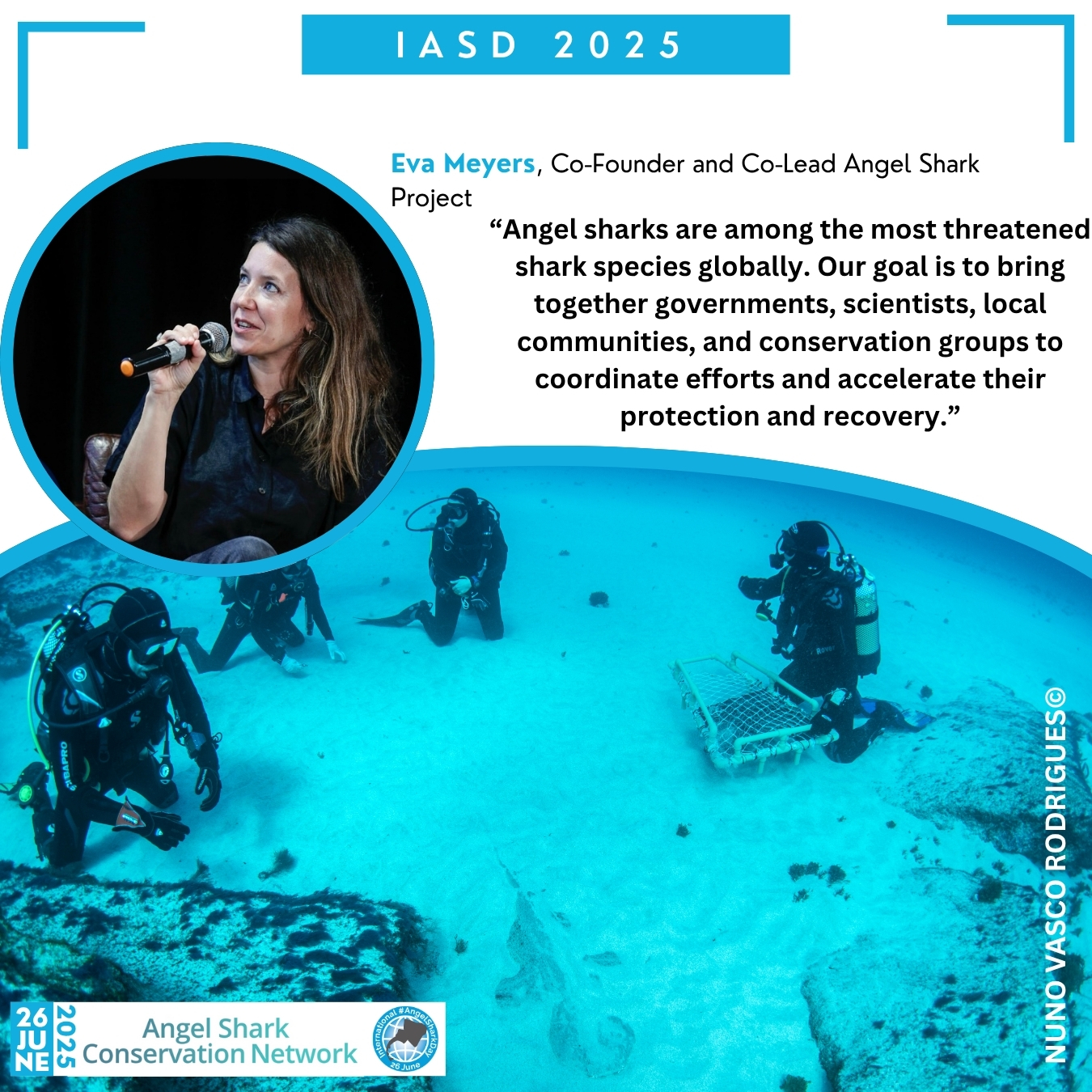
In response to this urgent need, iSea launched the Angel Shark Project: Greece in 2020, as a national extension of the international Angel Shark Project, in collaboration with the Shark Trust, the Zoological Society of London (ZSL), the University of Las Palmas de Gran Canaria (ULPGC), and the Zoological Research Museum Alexander Koenig (ZFMK). The initiative aims to identify critical habitats, reduce bycatch, and develop policy tools for the protection of angel sharks.
In just five years, through extensive research and collaboration with international partners such as the Angel Shark Conservation Network, the Shark Conservation Fund, Save Our Seas, UNEP/CMS, the WWF Mediterranean Marine Initiative, and others, valuable data have been collected that fundamentally transformed our understanding of these species in Greece. Today, critical habitats have been identified, and there are confirmed sightings of live, free-swimming individuals in their natural environment, something that seemed almost unthinkable just a few years ago.
The fishermen themselves are at the heart of this success. The people who work at sea daily and are the first to encounter angel sharks in their nets are invaluable allies. With the help of tools such as species ID guides, educational materials, seminars, and training sessions, iSea empowers fishermen to recognize these protected species, avoid landing them, and report their sightings. Already, professional fishermen from the Dodecanese, the Northern Aegean, and Crete are actively contributing to the protection of angel sharks, releasing live individuals back into their natural environment. This collaboration is not just a matter of responsibility, it is a tangible bridge between fisheries and environmental protection.
Looking ahead, iSea is focusing on three key areas:
- Expanding fisher education to more regions to enhance identification and safe release of angel sharks.
- Developing a National Action Plan in cooperation with the Ministry of Environment and Energy, outlining specific conservation actions for the three species.
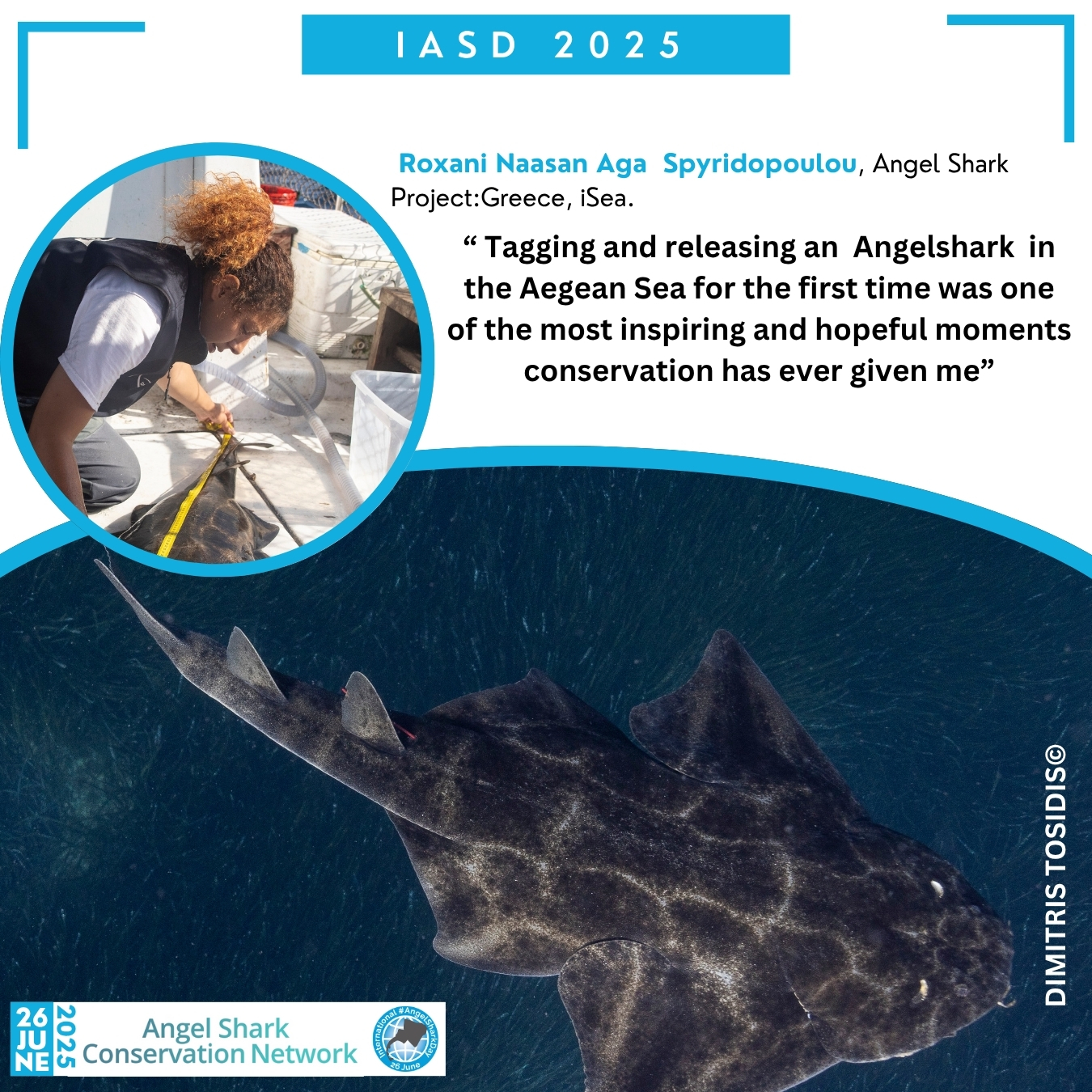
- Tagging live individuals to track their movement and behavior using satellite transmitters, an approach that will be implemented in Greece for the first time.
International Angel Shark Day is not just symbolic. It is a chance to recognize that even "lost" species can recover when science, knowledge, and local communities work together. Greece, with its rich marine biodiversity and deep connection to the sea, can become a global example of best practices for angel shark conservation.